

Introduction:
In the world of automotive care, the battle between Ceramic Coating and Traditional Waxing has been a longstanding one. Car enthusiasts, novices, and experts alike find themselves pondering over which option is the optimal choice for preserving and enhancing the aesthetic appeal of their beloved vehicles. In this comprehensive guide, we will unravel the intricacies of Ceramic Coating and Traditional Waxing, exploring their differences, benefits, and helping you make an informed decision for the well-being of your car.
---
Understanding Traditional Waxing:
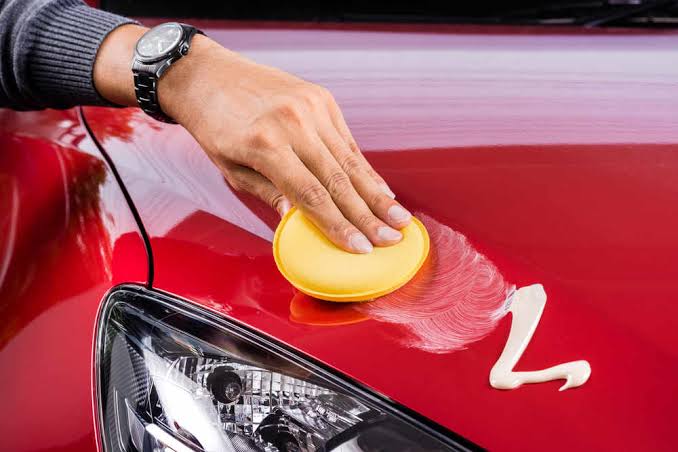
Traditional waxing has been a staple in car care for decades. The process involves applying a wax product, typically made from natural carnauba or synthetic polymers, onto the vehicle's exterior surfaces. While waxing provides a glossy finish and temporarily protects the paint, it comes with limitations.
1. Short-Term Protection:
Traditional wax offers a limited duration of protection, requiring frequent reapplication to maintain its effectiveness. This leaves the paint vulnerable to environmental contaminants and UV rays over time.
2. Labor-Intensive Application:
Applying wax demands time and effort, and achieving a uniform and streak-free finish requires attention to detail. Regular reapplication only adds to the labor-intensive nature of this process.
3. Limited Resistance:
Wax provides minimal resistance against harsh elements such as bird droppings, tree sap, and road salts. It may offer a superficial shield, but its protective capabilities pale in comparison to more advanced solutions.
---
Unveiling the Power of Ceramic Coating:
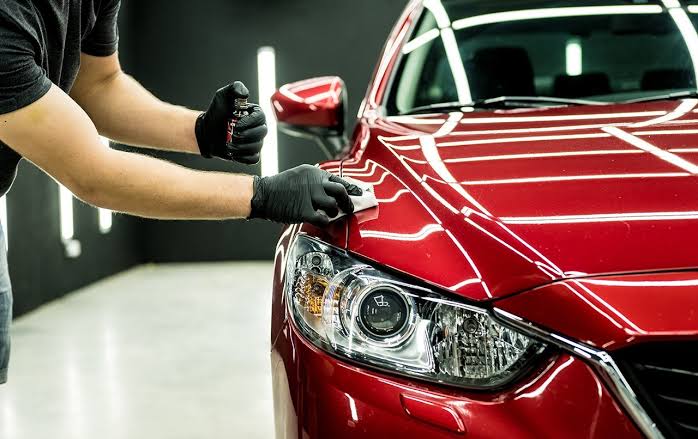
Ceramic coating, on the other hand, represents a technological leap in automotive protection. Composed of nano-ceramic particles, this liquid polymer creates a robust and durable shield on the vehicle's surfaces.
1. Long-Term Protection:
One of the standout features of ceramic coating is its longevity. Once applied, it forms a semi-permanent bond with the factory paint, offering protection that can last for years rather than weeks.
2. Enhanced Resistance:
Ceramic coating provides superior resistance against a myriad of contaminants. It repels water, resists oxidation, and shields against UV rays, making it a formidable defense against the elements.
3. Low Maintenance:
Unlike traditional waxing, ceramic coating significantly reduces the need for constant maintenance. The hydrophobic properties make cleaning a breeze, and the coating's resilience means less frequent reapplication.
---
The Comparative Analysis:
Now, let's delve into a detailed comparison between Ceramic Coating and Traditional Waxing across various crucial aspects.
1. Protection Duration:
Traditional waxing offers protection that lasts for a few weeks to a couple of months, depending on environmental conditions and driving habits. In contrast, ceramic coating provides long-term protection that can endure for several years.
2. Resistance to Contaminants:
While wax offers a basic shield, ceramic coating excels in repelling water, resisting chemical contaminants, and providing a robust defense against bird droppings, bug splatter, and tree sap.
3. Enhancement of Aesthetics:
Both options contribute to the visual appeal of a vehicle, but ceramic coating takes it a step further. Its self-cleaning properties and enhanced gloss create a deep, reflective finish that outshines the temporary luster of traditional wax.
4. Ease of Application:
Traditional waxing demands precision and patience during application. Ceramic coating, though more intricate in its application, requires less frequent reapplication, making it a more time-efficient choice in the long run.
---
Making the Right Choice: A Personal Decision:
Choosing between Ceramic Coating and Traditional Waxing ultimately depends on your individual preferences, priorities, and commitment to car care. Consider the following factors:
1. Budget:
Traditional waxing is generally more budget-friendly upfront, but the recurring costs and labor involved may add up over time. Ceramic coating, while requiring a higher initial investment, offers long-term savings.
2. Time Investment:
If you enjoy regular detailing sessions and take pride in the hands-on approach, traditional waxing might align with your preferences. However, if you prefer a set-it-and-forget-it solution, ceramic coating proves more time-efficient.
3. Long-Term Goals:
Assess your long-term goals for your vehicle. If you plan to keep it for an extended period and want sustained protection and aesthetics, ceramic coating emerges as the more practical and beneficial choice.
---
Conclusion:
In the eternal debate of Ceramic Coating vs. Traditional Waxing, there is no one-size-fits-all answer. Each option has its merits and caters to a specific set of needs. Whether you opt for the timeless charm of traditional wax or embrace the cutting-edge technology of ceramic coating, the key lies in understanding your car care goals and choosing a solution that aligns with your preferences. Whichever path you tread, remember that the commitment to regular care is what will truly keep your vehicle gleaming on the open road.


